Our Approach to Learning
At First Beginnings Academy, learning is designed to feel engaging, balanced, and meaningful. Children are supported as they explore, ask questions, and build confidence through hands-on experiences guided by caring educators.
Our approach blends together:
- Play-based learning
- Early STEM exploration
- Language-rich communication support
- Social and emotional development
These elements are thoughtfully woven into each day, allowing learning to feel natural, age-appropriate, and supportive of long-term growth.
STEM-Enriched Experiences
Children are naturally curious, and we nurture that curiosity through daily opportunities to explore how the world works. STEM concepts are introduced through hands-on experiences that encourage problem-solving, creativity, and critical thinking.
STEM experiences may include:
- Simple experiments and observation activities
- Building and design challenges using open-ended materials
- Early math concepts such as counting, patterns, and measurement
- Age-appropriate tools and materials that support exploration
Rather than formal instruction, children learn by doing — exploring ideas in ways that feel engaging and relevant.
Inclusive Language & Communication Support
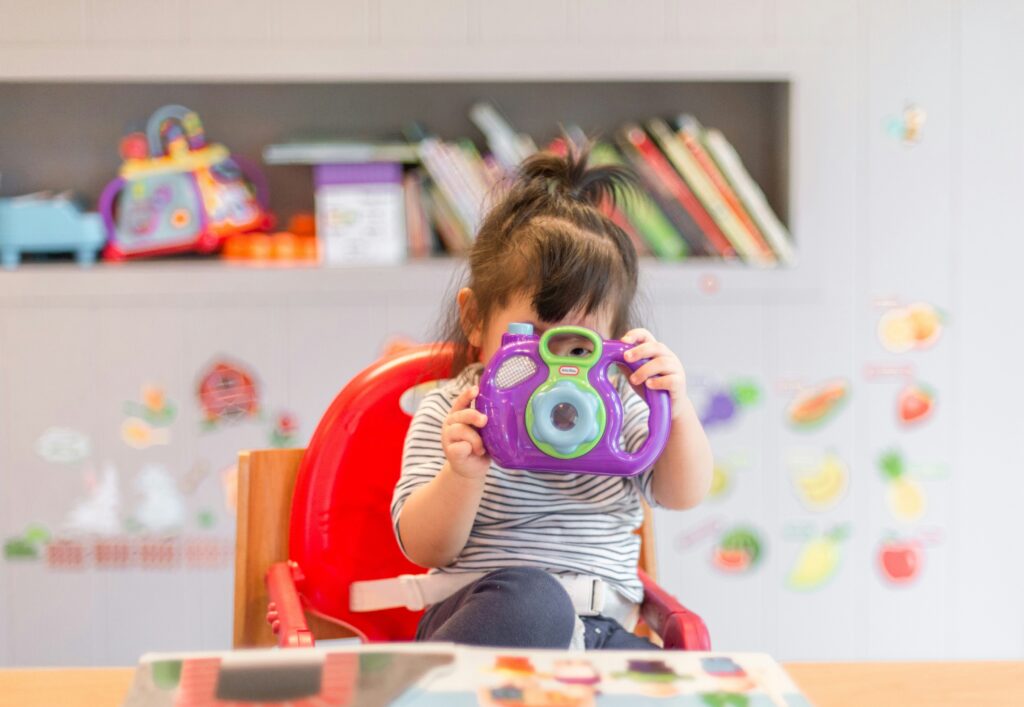
Language development is an important part of early learning. We create a welcoming, language-rich environment that supports children from multilingual homes and diverse language backgrounds.
Through daily interactions, routines, storytelling, music, and play, children are supported in developing communication skills in ways that are respectful, developmentally appropriate, and responsive to each child’s needs. This approach helps build confidence, connection, and understanding without pressure or formal instruction.
Social & Emotional Development
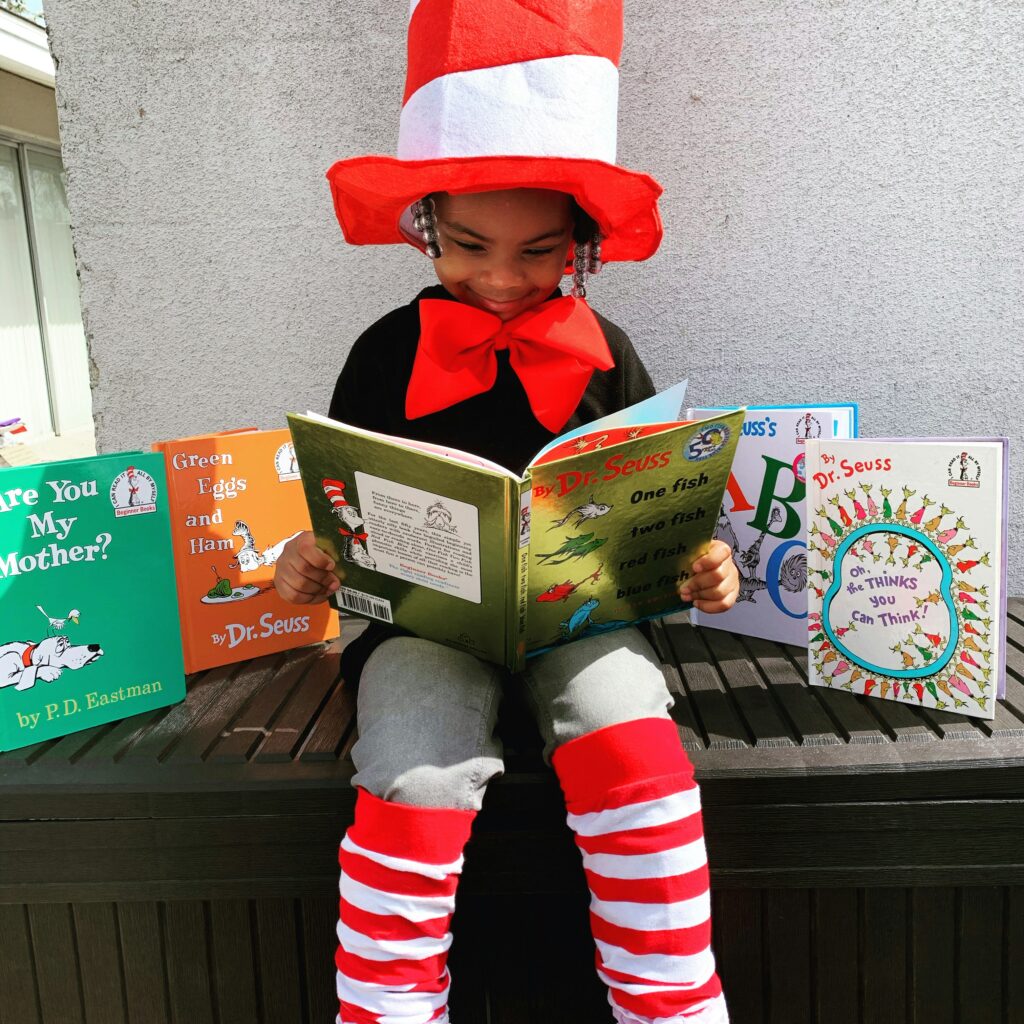
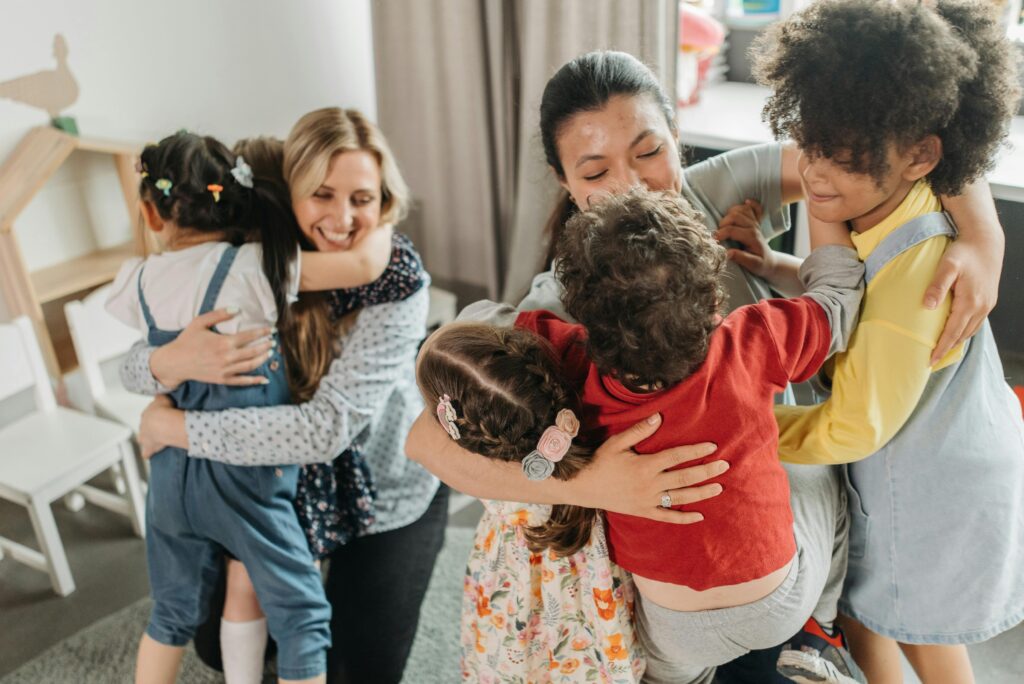
Strong social and emotional skills help children navigate relationships, transitions, and learning environments with confidence. We intentionally support these skills through daily routines, guided interactions, and consistent expectations.
Children are encouraged to:
- Communicate their needs and feelings
- Practice empathy and cooperation
- Build independence and self-confidence
- Develop positive peer relationships
Educators model respectful communication and provide guidance as children learn to work together and express themselves.
A Typical Day
While each age group has its own rhythm, days at First Beginnings Academy follow a predictable structure that helps children feel secure and comfortable.
A typical day may include:
- Arrival and free play
- Group activities and learning experiences
- Outdoor play and movement
- Meals and snacks
- Rest or quiet time
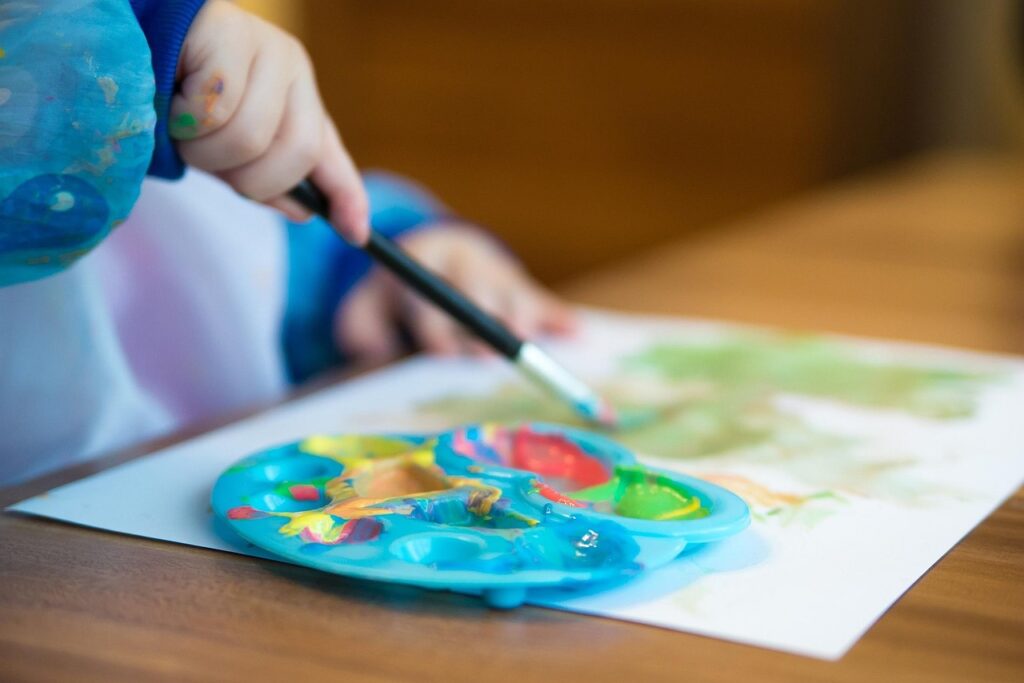
- Afternoon enrichment and creative play
Consistent routines support emotional well-being while allowing flexibility for exploration and individual needs.
Nutritious Meals & Snacks
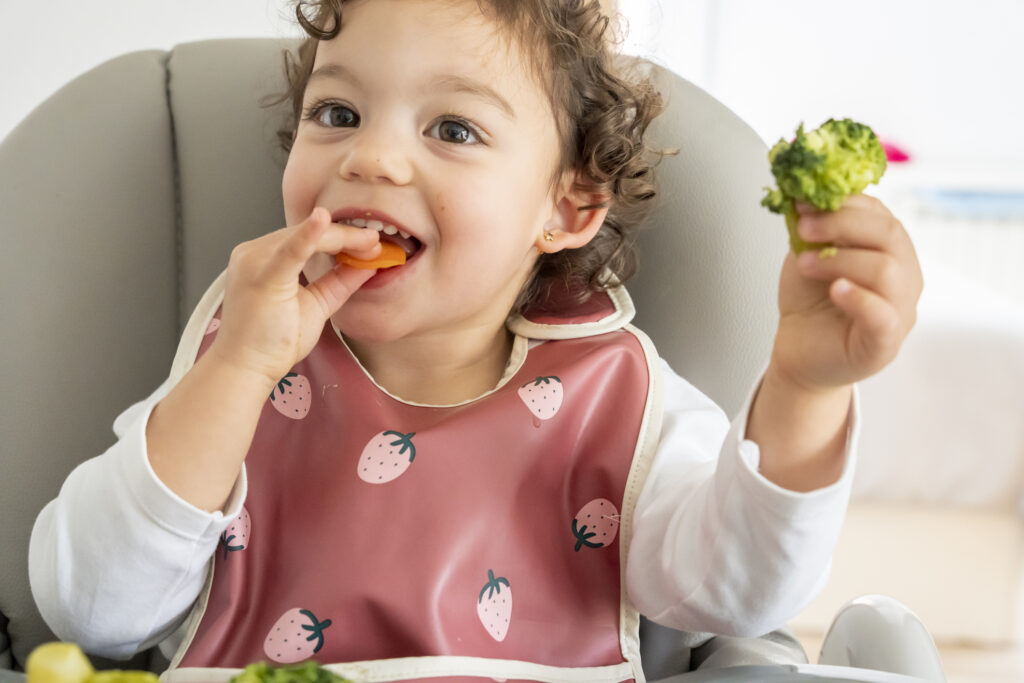
Nutrition plays an important role in supporting growing bodies and active minds. Our menus are thoughtfully planned each week to provide a balanced variety of fresh fruits and vegetables, nutritious grains, and quality sources of protein.
Whenever possible, we prioritize organic meat, dairy, and eggs, and aim to source seasonal organic produce when available. Meals and snacks are designed to be nourishing, age-appropriate, and enjoyable.
Families can expect:
- Weekly menus shared in advance
- Balanced meals and snacks served throughout the day
- Consideration for dietary needs and allergies
Enrichment Activities
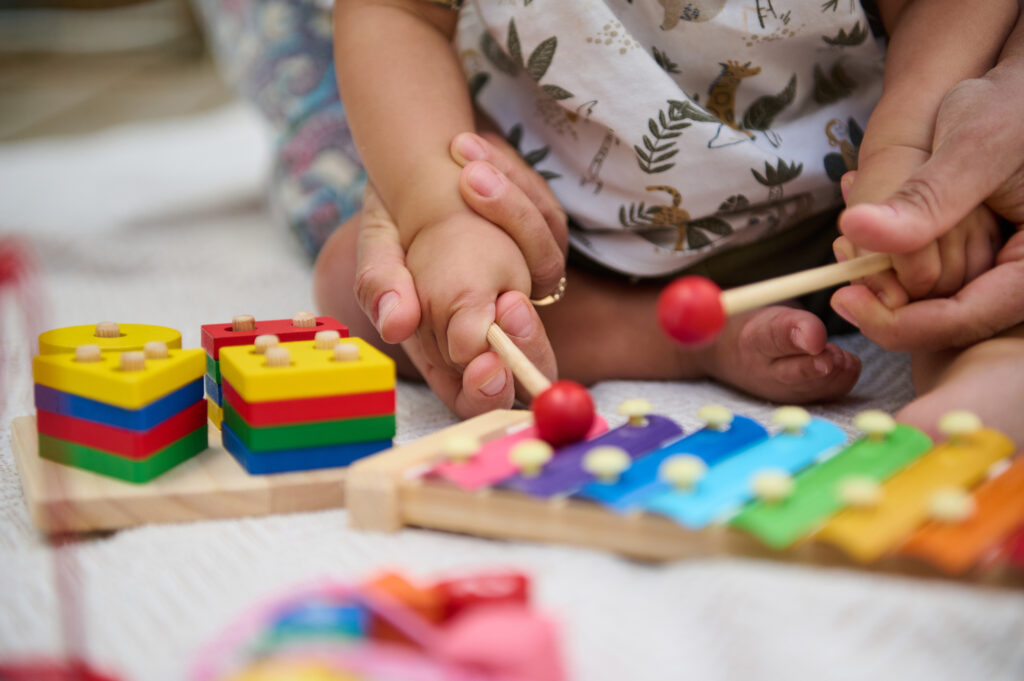
In addition to daily classroom experiences, children enjoy enrichment activities that support creativity, movement, and self-expression.
Enrichment opportunities may include:
- Music and rhythm activities
- Yoga and movement
- Sports and active play
These experiences are integrated into the day and designed to complement each child’s developmental stage.
Staying Connected with Families
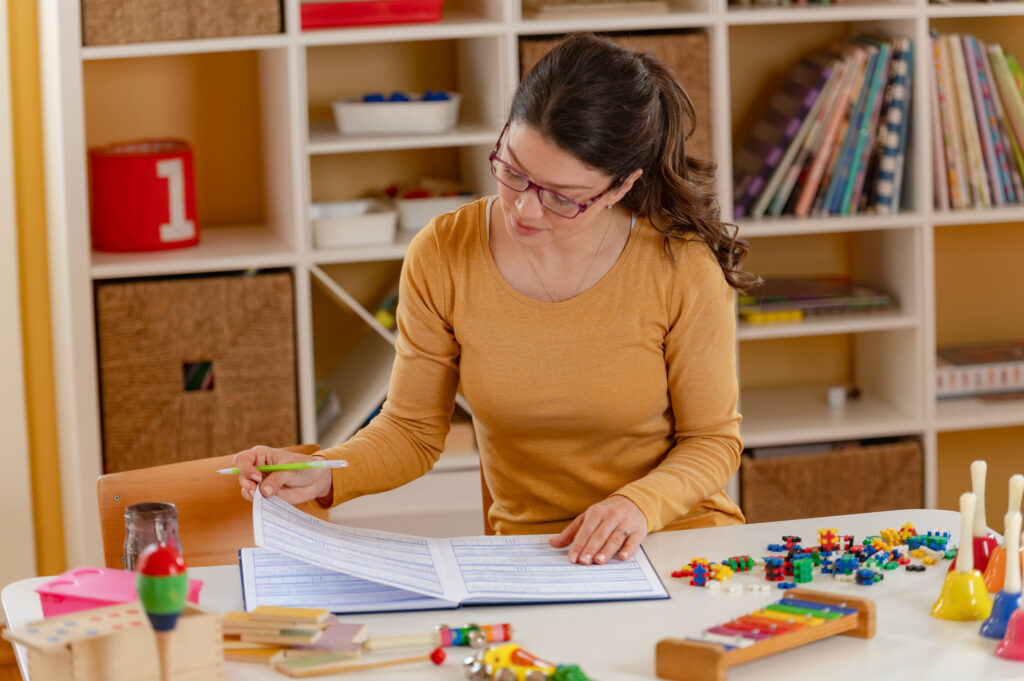
We believe strong communication builds trust and partnership. Families receive regular updates and insights into their child’s day, helping them feel informed and connected.
Communication may include:
- Daily updates and photos
- Information about routines and activities
- Ongoing collaboration between families and educators
This connection helps ensure consistency between home and school.
Learn More in Person
The best way to understand our approach is to experience it firsthand. We invite families to visit the center, explore our classrooms, and ask questions.